

Energy · Grid and oil and gas
Texas' winter grid leans on natural gas, while oil tax gains ride on prices, not new production
ERCOT puts January's grid emergency risk at 3.2%, with gas plants providing about 57,000 of the 106,000 megawatts it expects at 8 a.m. on the peak day. Oil and gas production taxes brought in $8.3 billion last fiscal year.

The Texas grid operator puts the chance of a power emergency in January's riskiest hour at 3.2%, and it is counting on natural gas plants for more than half of the capacity it expects to have in that hour.
The Electric Reliability Council of Texas released its January outlook Nov. 6. The riskiest hour is 8 a.m. on the month's peak day, when heating demand is high and solar output is low or none, according to NERC. ERCOT treats any probability under 10% as low risk. ERCOT's December outlook put the risk in its riskiest hour at 2.95%.
Under typical conditions, ERCOT expects demand of 78,912 megawatts in that hour and a reserve margin of 44.9%. It says about 84% of the capacity it expects to have at that hour will come from plants that can be dispatched on demand.
Source: ERCOT, Monthly Outlook for Resource Adequacy, January 2027, capacity table, hour ending 8 a.m.
Solar is the starkest line. Texas has 41,018 megawatts of it installed. ERCOT expects 27 megawatts at 8 a.m. Gas plants, with 69,601 megawatts installed, are expected to provide 56,954.
A bad storm
ERCOT also modeled a severe winter storm with demand between 85,000 and 99,000 megawatts at 8 a.m., with more weather-related plant outages and wind turbine outages from icing as the storm gets worse. It calls 99,000 megawatts "extremely remote." Variability in wind generation is the greatest risk factor for January, the report says.
The North American Electric Reliability Corp.'s November winter assessment puts the chance of an emergency alert in the peak hour at 2.7% and the chance of controlled load shed at 2.1%. It says ERCOT "does not expect any significant fuel supply issues for the winter," and that plants must submit declarations of weather preparedness by Dec. 1.
During last January's arctic blast, ERCOT deployed 445 megawatts of Firm Fuel Supply Service resources to ease natural gas supply limitations, according to NERC.
The oil and gas side
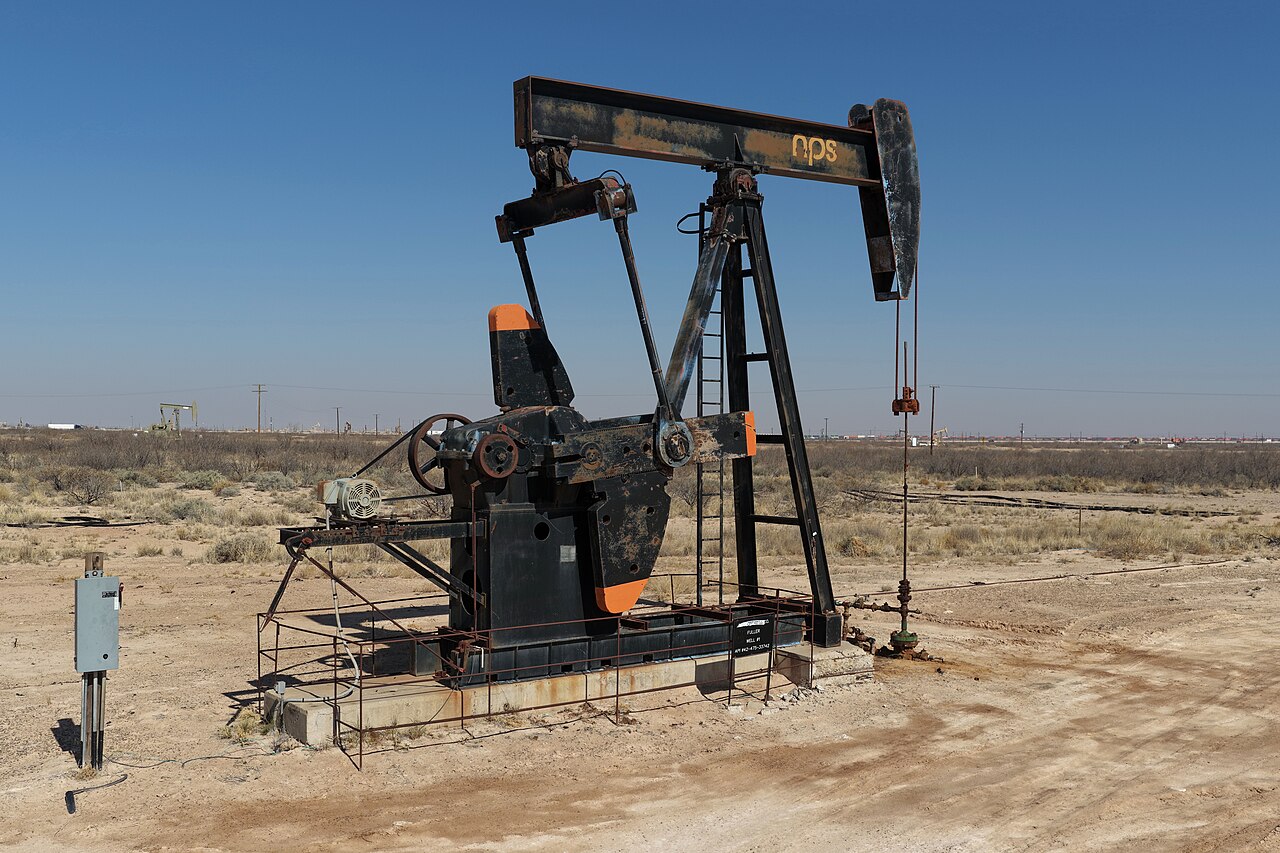
Texas produced an average of 5.76 million barrels of crude a day from January through August, about 42% of the U.S. total, according to the U.S. Energy Information Administration. April's 5.85 million barrels a day was the highest month in EIA's monthly series, which begins in 1981. Output was up 0.3% from a year earlier. Marketed natural gas production was up 5.8%.
Prices did more than production. West Texas Intermediate averaged $102.07 a barrel in October, up from $60.89 a year earlier, according to EIA.
In fiscal 2026, which ended Aug. 31, the state collected $5.88 billion in oil production tax and $2.43 billion in natural gas production tax. Together that was 9.4% of the state's $88.2 billion in all-funds tax collections. In October, oil production tax collections were $634 million, up 56% from a year earlier.
What it means
ERCOT's numbers make the case for Texas gas plainly. In the hour most likely to go wrong this winter, the grid is counting on gas for more than half of the capacity it expects to have. Batteries help, but NERC says keeping enough charge in them through a long stretch of high demand is challenging. Solar can't help before sunrise. Keeping the grid up on a January morning depends on gas wells, pipelines and plants that keep running through a hard freeze.
The oil numbers carry a caution. The price of oil rose by about two-thirds in a year, and Texas production barely moved. The Dallas Fed's Nov. 25 Beige Book says producers are focused on "maintaining cost efficiency rather than growing production" and expect spending to be nearly flat in 2027. Bigger tax checks have come with higher prices rather than more oil, and tax revenue that depends on price can fall when prices do.
That matters to Austin. Oil and gas taxes are close to a tenth of state tax collections. A Democrat, state Rep. Jon Rosenthal, won the Nov. 3 race for railroad commissioner, the agency that regulates oil and gas, according to unofficial results. The Beige Book says contacts reported "a slight increase in uncertainty about the regulatory policy environment after the election" but did not signal any changes to spending or activity in 2027 in response.
Rep. Brooks Landgraf, a Republican from House District 81, has filed two proposals tied to the industry. HJR 48 would put a right to explore for, produce and export oil, gas and other minerals in the state constitution. HB 691 and HJR 46 would create a Texas STRONG fund from severance tax revenue, dedicated in part to areas of the state significantly affected by oil and gas production.