

Economy · Tax breaks
TSMC's Brazos chip plant would bring a big school-tax break and few binding jobs
TSMC plans to invest $22.6 billion and hire 2,099 people. The state deal would require it to keep 35 jobs while it saves an estimated $354 million in College Station ISD school taxes.
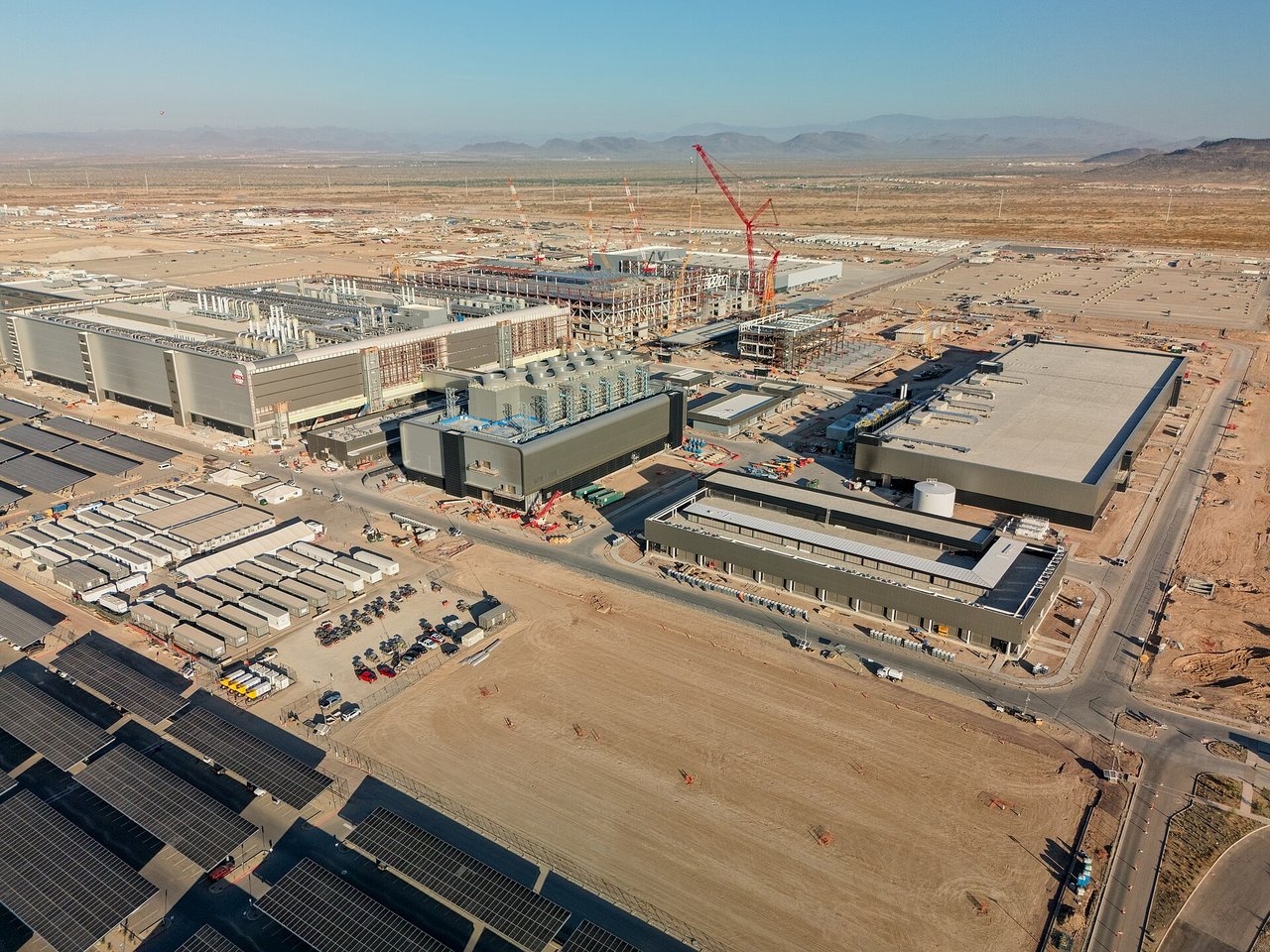

Taiwan's TSMC wants a 10-year cut in the school property taxes on a $22.6 billion plant in the College Station school district. The state's analysis says the company would save about $354 million. The deal would bind it to keep 35 jobs.
TSMC Arizona Corporation filed the request under the state's Jobs, Energy, Technology and Innovation Act, or JETI. The Comptroller posted the application Nov. 23 and its recommendation packet Nov. 24. The Comptroller found that the break is "a compelling factor" in where the company builds (recommendation, pp. 6-8).
What the deal says
The break would cover College Station ISD's maintenance and operations tax, the largest piece of a school tax bill. It does not cover the district's debt tax, the county or the city (recommendation, p. 5).
Construction would run from 2027 through 2031. The summary lists the incentive period as 2032 through 2041, with a limitation percent of 50% (recommendation, p. 3).
The Comptroller's 20-year table runs from 2027 through 2046. Without the break, it estimates the plant would generate $759.3 million in district M&O taxes over those years. With it, $405.2 million. The difference, the district's estimated loss, is $354.1 million. The company would post a $35.4 million performance bond (recommendation, pp. 3-4).
Source: Texas Comptroller of Public Accounts, JETI recommendation packet J0055, Attachment A, p. 3
Even with the break, the Comptroller estimates the plant would pay $1.29 billion in property taxes to all local governments over those 20 years, compared with $1.64 billion without it. Both totals include $487.2 million to Brazos County (recommendation, p. 5).
The jobs gap
TSMC's application lists 2,099 jobs. The schedule climbs from 757 in 2028 to 1,868 in 2029 and 2,099 in 2030 (application, pp. 50, 77). An economic analysis filed with the application puts the average salary at $133,026 in 2027 (application, p. 79).
The binding numbers are smaller. The law sets a minimum for a county this size of 35 jobs at a required wage of $73,603 (recommendation, p. 3).
Why the state says it is needed
The company told the Comptroller that Arizona is the alternative site and that the limitation is "a determinative and compelling factor" (recommendation, pp. 6-8). It also gave the agency confidential documents. In a Nov. 10 answer quoted in the packet, the company said its "executed agreement is simply with a real estate broker" that it authorized to begin negotiating for land (recommendation, pp. 6-8).
The district's board still has to hold a hearing and vote. Its public notice sets the hearing for 5 p.m. Thursday, Dec. 10, in the district board room at 1812 Welsh Ave. The notice says the board may vote on designating the reinvestment zone and on the agreement after the hearing. The governor must also sign off. A separate county abatement would go to Brazos County Commissioners Court.
What it means
A $22.6 billion fab would put advanced chipmaking in Texas instead of Arizona, the alternative the company named. For Brazos County, the Comptroller's own numbers show $1.29 billion in local property taxes from the plant over 20 years, even with the break.
The trade is in the terms. Taxpayers give up an estimated $354 million in school M&O taxes. In return, the company is bound to 35 jobs, about 2% of the 2,099 it promises. The rest of the hiring is a plan, not a promise. The packet's analysis covers only the district's M&O levy from this project. It does not say how much of the lost levy state school aid would replace.
The "compelling factor" finding rests partly on documents the public can't see. The company's own filing also describes its executed agreement as one with a land broker. Trustees can ask on Dec. 10 for job and wage terms closer to the plan, and for clawbacks if the hiring doesn't come.