

Public safety · Immigration enforcement
Dec. 1 ICE deadline leaves Dallas and El Paso sheriffs open to state lawsuits unless they've applied
Sheriffs in 227 of 254 Texas counties have signed 287(g) agreements with ICE. Twenty counties that run jails, including Dallas and El Paso, aren't on ICE's list days before the state deadline.
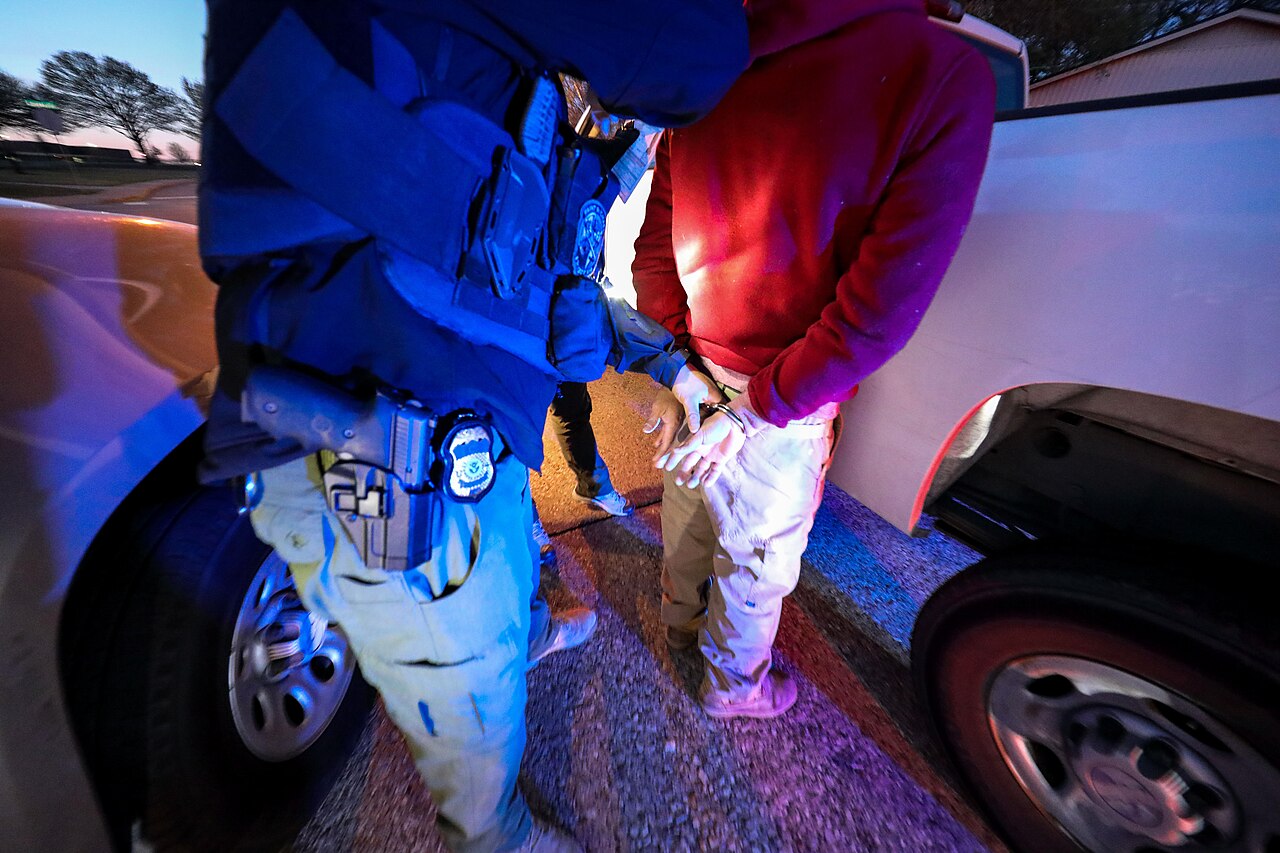

Sheriffs in 20 Texas counties that run jails, including Dallas and El Paso, do not appear on ICE's list of agencies with immigration enforcement agreements, days before a state deadline to seek one.
Senate Bill 8, passed in 2025, requires the sheriff of every county that operates a jail, or contracts for one, to request and enter into an agreement with U.S. Immigration and Customs Enforcement under Section 287(g) of federal immigration law. The deadline is Dec. 1. The attorney general may sue a sheriff who doesn't comply and recover the state's legal costs, the law says.
A sheriff who has asked but hasn't been approved is not out of compliance. The law requires that sheriff to ask again at least once a year and to send the attorney general proof of each attempt every year. ICE's list does not show pending requests, so the 20 counties may include sheriffs who have already applied.
Where Texas stands
As of Nov. 23, ICE listed 585 agreements in Texas, held by 476 agencies, out of 2,817 nationwide. That is about one in five. Florida has the next-largest number of agencies, 291. Of the Texas agreements, 559 were signed in 2025 or 2026.
Sheriff's offices in 227 of the state's 254 counties have at least one agreement. Harris and Travis county sheriffs signed Warrant Service Officer agreements Nov. 17. Tarrant County's sheriff has had a Jail Enforcement agreement since 2020. Bexar and Hidalgo signed in October 2025.
Of the 27 counties with no sheriff's agreement on the list, seven have no county jail, according to the Texas Commission on Jail Standards, so the law doesn't reach them. The other 20 include Dallas, El Paso, Hunt, Johnson, Starr and Willacy, along with a string of West Texas counties including Culberson, Hudspeth, Reeves and Ward.
The jail cost
Texas county jails reported $187.4 million in costs to hold inmates with immigration detainers from October 2025 through September 2026, according to the jail commission. In September alone, county jails held 8,321 such inmates.
Dallas County reported 888 detainer inmates in September at a cost of $1.87 million. El Paso County reported 122 at a cost of $445,952.
SB 8 offers grants to cover agreement costs, based on county population: $80,000 for counties under 100,000 people, up to $140,000 for counties of 1 million or more.
Texas also holds a large share of federal immigration detainees. ICE facilities in Texas held an average of 16,450 people a day in fiscal 2026 through early July, about 26% of the national total, according to ICE.
What happens next
The attorney general who would enforce the deadline is changing. Democrat Nathan Johnson won the Nov. 3 race for attorney general, according to unofficial results.
Bills to undo the law are already filed. HB 123 by Rep. Trey Martinez Fischer and SB 99 by Sen. José Menéndez would repeal the agreement requirement and the grant program.
What it means
SB 8 settled a basic question: Texas sheriffs work with ICE on people already in their jails. Nearly nine in 10 counties have signed on, and most did it in the last two years. Of the people ICE was holding nationally on July 11, the latest data published, about 29% had criminal convictions and 31% had pending criminal charges. ICE describes the jail enforcement model as a way to identify and process removable people who have pending or active criminal charges.
The largest holdouts are Dallas and El Paso, which together held more than 1,000 detainer inmates in September. Whether their sheriffs have applied is the first thing to watch after Dec. 1.
The bigger question is in Austin. A new attorney general decides whether to sue, and a House with a Democratic majority will be able to consider the repeal bills. County jails are carrying real costs to hold detainer inmates, and the state grants are small next to $187 million a year. Who pays for the system is a question for the Legislature.