

Texas Legislature · State politics
New Texas House members' first bills point to data centers as possible common ground in a divided Capitol
Seventeen of the 41 newcomers have filed 107 measures for the session that starts Jan. 12. Thirty deal with schools or education, and eight with data centers, from Republicans and Democrats alike.
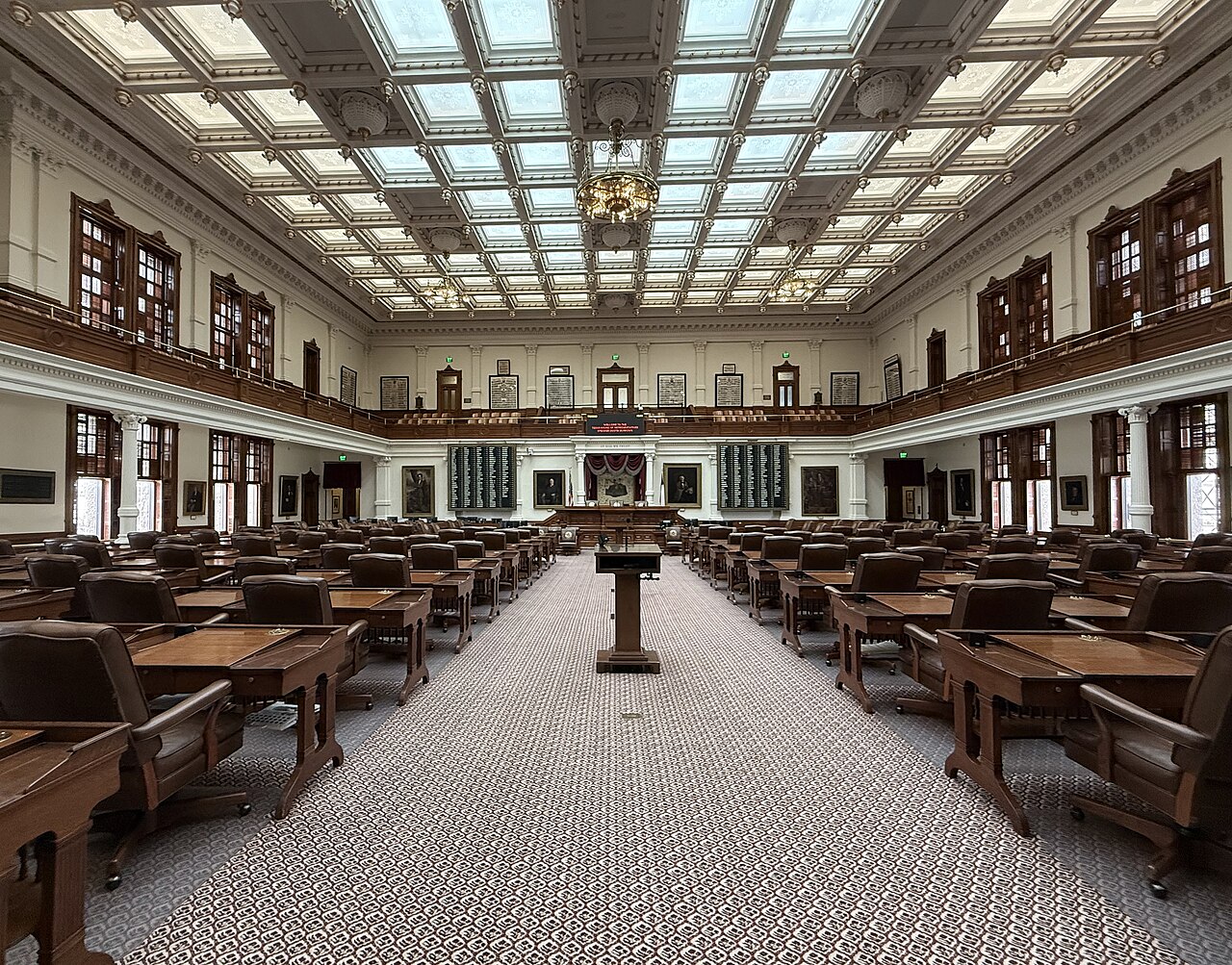

Seventeen Texas House members elected for the first time on Nov. 3 had filed 103 House bills and four proposed constitutional amendments by Nov. 25, according to a Landmark review of state records. Thirty of those 107 measures deal with public schools or education, and eight with data centers, by The Landmark's count of their official captions.
Lawmakers began filing bills Nov. 9 for the 90th Legislature, which convenes Jan. 12. By Nov. 25, members had filed 1,179 House bills, 445 Senate bills and 70 proposed constitutional amendments, according to Texas Legislature Online.
The Texas Association of School Boards counts 41 new House members in January. The Landmark compared the Secretary of State's unofficial results, district by district, with the members who held each seat in the 89th Legislature and found 41 winners who are new to their seats. Seventeen of them have bills on file. The rest hadn't filed any yet.
The newcomers arrive in a House that changes hands. Democrats won 83 of 150 seats, and Republicans kept a 19-12 Senate majority, according to the school boards group. Democrat Gina Hinojosa defeated Gov. Greg Abbott, according to the unofficial state results, which are not final until the vote is canvassed.
Property taxes
The biggest proposal belongs to Rep.-elect Armin Mizani, a Republican elected in District 98. His HB 1075 and House Joint Resolution 71 would exempt homesteads from school district maintenance and operations taxes. The resolution would also require the state to replace the lost revenue. Voters would have to approve the constitutional amendment.
Neither bill's page on Texas Legislature Online lists a fiscal note yet. The Legislative Budget Board typically publishes one after a bill is referred to committee.
Rep.-elect Chris Spencer, a Republican elected in District 1, filed HB 1261. Its caption says it would limit condemnation powers and require independent review, public hearings, county elections and enhanced compensation.
Data centers
Five of the 17 newcomers filed data center bills. Mizani's HB 928 would require city and county approval before a data center is built. Rep.-elect Cecilia Castellano, a Democrat who won District 80, filed three: HB 1271 to repeal the data center sales tax break, HB 1272 on public disclosure of local incentive deals, and HB 1273, which calls for local-option elections and a temporary moratorium and would establish annual payments to county residents.
Rep.-elect Oziel Ochoa Jr., a Democrat elected in District 37, filed HB 696, which would bar certain governmental entities from agreeing to withhold information about a data center project, and HB 706, on election and public hearing requirements before a municipality signs a data center development agreement. Rep.-elect Zach Herbert, a Democrat elected in District 112, filed HB 1225 on how much of a data center's property value can be exempted from property tax under local abatement agreements. Rep.-elect Chris Jimenez, a Democrat elected in District 52, filed HB 750 to repeal the sales tax break.
Schools, vouchers and immigration
Five Democratic newcomers filed bills to repeal the state's education savings account program: Herbert (HB 675), Jimenez (HB 735), Katie O'Brien Duzan of District 94 (HB 1081), Ebony Turner of District 96 (HB 1129) and Junior Ezeonu of District 101 (HB 1240).
Mizani filed two immigration-related bills. HB 926 would tighten lawful-presence checks for commercial driver's licenses. HB 932 would give city and county contract bidders a preference if they document that they verify workers' eligibility to work. Rep.-elect Julio Salinas, a Democrat elected in District 41, filed HB 1008, on face coverings and identification of certain law enforcement officers.
What it means (analysis)
A first-week bill is a statement of priorities, not a forecast. Of the 8,719 House and Senate bills filed in the 89th regular session, 1,213 passed both chambers, roughly one in seven, according to the Legislative Reference Library. Democrats will hold the governor's office, the lieutenant governor's office and the House, and Republicans keep the Senate, according to Texas Policy Research. A bill generally needs support from both parties to clear both chambers.
That makes the overlap worth watching. Data centers drew bills from Republican and Democratic newcomers alike, and the Senate's data center repeal bill, SB 293, has authors from both parties. The voucher repeals come only from House Democrats and would have to pass a Republican Senate.
For homeowners, Mizani's plan is the one to follow. Ending school maintenance and operations taxes on homesteads would require the state to replace that money for school districts, and no fiscal note is available yet, so the cost is unknown.
The deadline to file most bills is March 12, according to Texas Policy Research, so expect the list to grow.